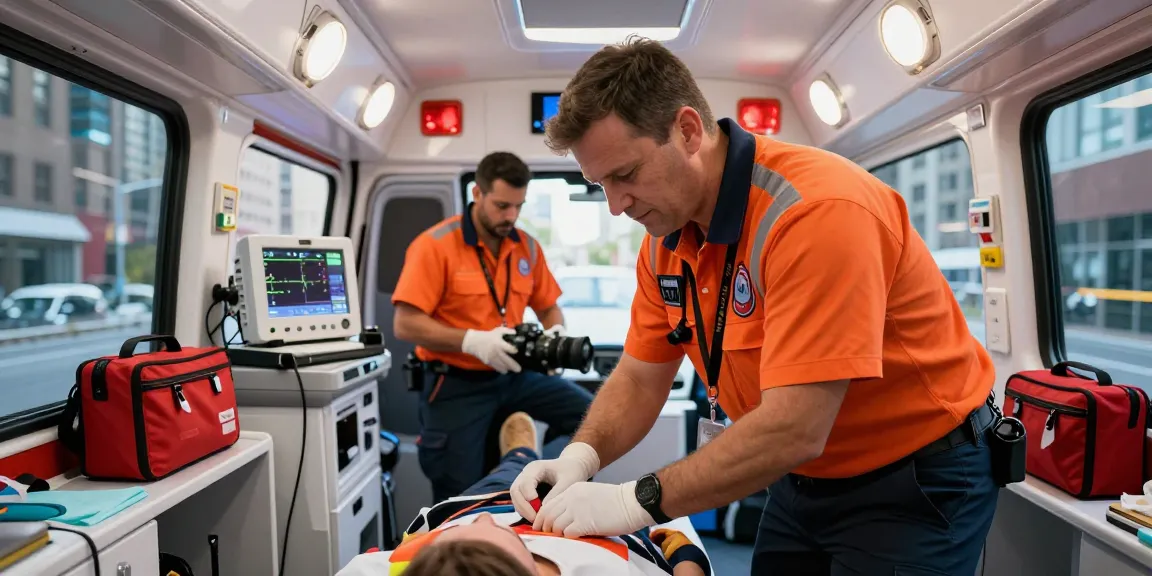
Understanding Essential Equipment for Paramedics
In the high-stakes world of emergency medical services, the right equipment can mean the difference between life and death. Paramedics are first responders who provide critical care and transport to patients in urgent need. To perform their duties effectively, they require specialized equipment, known as équipement paramedic. This gear must be reliable, up-to-date, and compliant with rigorous safety standards, ensuring that paramedics can deliver the best possible care in chaotic environments.
What is Équipement Paramedic?
Équipement paramedic encompasses a wide array of tools and devices designed for use by paramedics during pre-hospital emergencies. This includes everything from basic supplies such as bandages and splints to advanced medical devices like defibrillators and ventilators. Each piece of equipment plays a vital role in assessing and treating patients, making it essential that paramedics are well-versed in how to use them effectively.
Importance of Quality Medical Gear
The quality of medical gear significantly impacts patient outcomes. High-quality equipment ensures that paramedics can deliver interventions quickly and effectively. For instance, advanced monitoring devices allow for real-time assessment of a patient’s vital signs, helping paramedics make informed decisions on treatment protocols. Moreover, when equipment is durable and reliable, it minimizes the risk of malfunction during critical situations.
Regulatory Standards and Compliance
Paramedic equipment must adhere to strict regulatory standards set by health authorities and governmental bodies. Compliance with these standards ensures that the equipment is safe for use and effective in treating patients. It is critical for paramedic services to routinely audit their equipment and stay updated with any changes in regulations to ensure continued compliance and safety.
Advanced Life Support Tools for Paramedics
As medical technology advances, the tools available to paramedics are becoming increasingly sophisticated. Advanced life support (ALS) equipment is essential for managing critical and life-threatening conditions. Paramedics must be trained not only in the operation of these devices but also in understanding when and how to use them effectively.
Critical Monitoring Equipment
Critical monitoring equipment includes devices such as electrocardiograms (ECGs) and pulse oximeters. These tools allow paramedics to monitor critical indicators of a patient’s health status in real-time. Early detection of irregularities can be crucial for timely interventions, potentially saving lives.
Cardiac Support Devices
Cardiac support devices, including automated external defibrillators (AEDs), are vital for patients experiencing cardiac arrest. AEDs are designed to analyze the heart rhythm and, if needed, deliver an electric shock to restore a normal rhythm. Training paramedics to use these devices effectively can dramatically increase survival rates in cardiac emergencies.
Oxygen Delivery Systems
Oxygen delivery systems are also a cornerstone of paramedic care. They range from simple nasal cannulas to complex ventilators that provide artificial respiration to patients who cannot breathe independently. Understanding the proper application and settings for these systems is vital in managing respiratory emergencies.
Safety and User Comfort in Paramedic Equipment
While high-tech equipment is essential, the safety and comfort of paramedics using this equipment should not be overlooked. Ergonomics plays a crucial role in effective and safe operation.
Ergonomics in Emergency Equipment Design
Equipment designed with ergonomics in mind can reduce fatigue and improve the efficiency of paramedics. Features such as adjustable straps on medical bags, easily accessible compartments, and lightweight materials can significantly enhance the usability of equipment during high-pressure situations.
Protective Gear for Paramedics
Protective gear, including helmets, gloves, and vests, is essential for paramedics working in hazardous environments. These items help safeguard against infections, physical injuries, and environmental hazards. Continuous training on the proper use and maintenance of protective gear is necessary for ensuring the safety of paramedics in the field.
Training for Safe Equipment Use
Ongoing training is crucial for paramedics to stay proficient in operating their equipment. Regular workshops and simulations create opportunities for paramedics to practice with the equipment in scenarios they are likely to encounter in real-life emergencies. This hands-on experience builds confidence and can lead to better outcomes for patients.
Future Trends in Paramedic Equipment for 2026
As we look ahead to 2026, several trends are likely to shape the future of paramedic equipment. Staying ahead of these trends can significantly enhance the capabilities and efficiency of emergency services.
Innovations in Medical Technology
Innovations such as portable ultrasound devices and advanced diagnostic systems are becoming increasingly accessible to paramedics. These technologies allow for more accurate diagnosis and treatment options at the scene, potentially improving patient outcomes, especially in rural or remote areas where immediate hospital access is limited.
Telemedicine and Remote Support Tools
Telemedicine is transforming how paramedics provide care, enabling them to connect with physicians in real-time through video or other communication methods. This capability can facilitate decision-making processes and allow for more tailored treatment plans even before the patient reaches the hospital.
Data Management and Integration Solutions
With the increase in technology usage, robust data management systems are becoming essential. These systems can integrate patient data from various sources, ensuring paramedics have comprehensive information available at their fingertips, which can enhance their decision-making ability during emergencies.
Best Practices for Selecting Paramedic Equipment
Choosing the right paramedic equipment requires careful consideration of various factors. Here are best practices to guide decision-making processes.
Evaluating Equipment Performance
Performance evaluations should be conducted regularly to assess whether the equipment meets the required standards and is delivering adequate performance. Review feedback from paramedics who regularly use this equipment; they can provide insights into practicality and effectiveness in real scenarios.
Budget Considerations and Funding Sources
Budget constraints can impact the selection of equipment, but various funding sources are available, including grants, sponsorships, and partnerships with healthcare organizations. It’s essential to explore these options to ensure paramedics have access to the latest and most effective tools.
Feedback from Emergency Service Professionals
Continuous feedback from emergency service professionals can inform future purchasing decisions. Engaging in discussions with frontline personnel who utilize the equipment can lead to more informed choices that prioritize functionality and user comfort.
What are the most common types of paramedic equipment?
Common types of paramedic equipment include defibrillators, stretchers, oxygen therapy devices, and airway management tools. Each tool is crucial for specific emergency situations and must be readily available in every ambulance kit.
How often should paramedic equipment be updated?
Paramedic equipment should be reviewed and updated regularly, ideally annually or as new technologies emerge. This ensures that paramedics have access to the latest advancements and safety features, which can impact their ability to provide effective care.
What safety standards must paramedic equipment meet?
Safety standards for paramedic equipment vary by region but typically include guidelines from national and international health organizations. Compliance with standards such as ISO (International Organization for Standardization) ensures that the equipment is safe and effective for use in emergency situations.
How does telemedicine enhance paramedic operations?
Telemedicine enhances paramedic operations by providing access to real-time consultations with medical professionals. This system enables paramedics to receive guidance on treatment protocols, improving patient care and outcomes when it matters most.
What are the key factors in training paramedics on equipment?
Key factors in training paramedics on equipment include practical hands-on experience, understanding the latest technologies, and regular refreshers to ensure skills remain sharp. Training programs should be interactive and relevant to the scenarios paramedics may face.